Data Catalyst – Unlock your data lifecycle
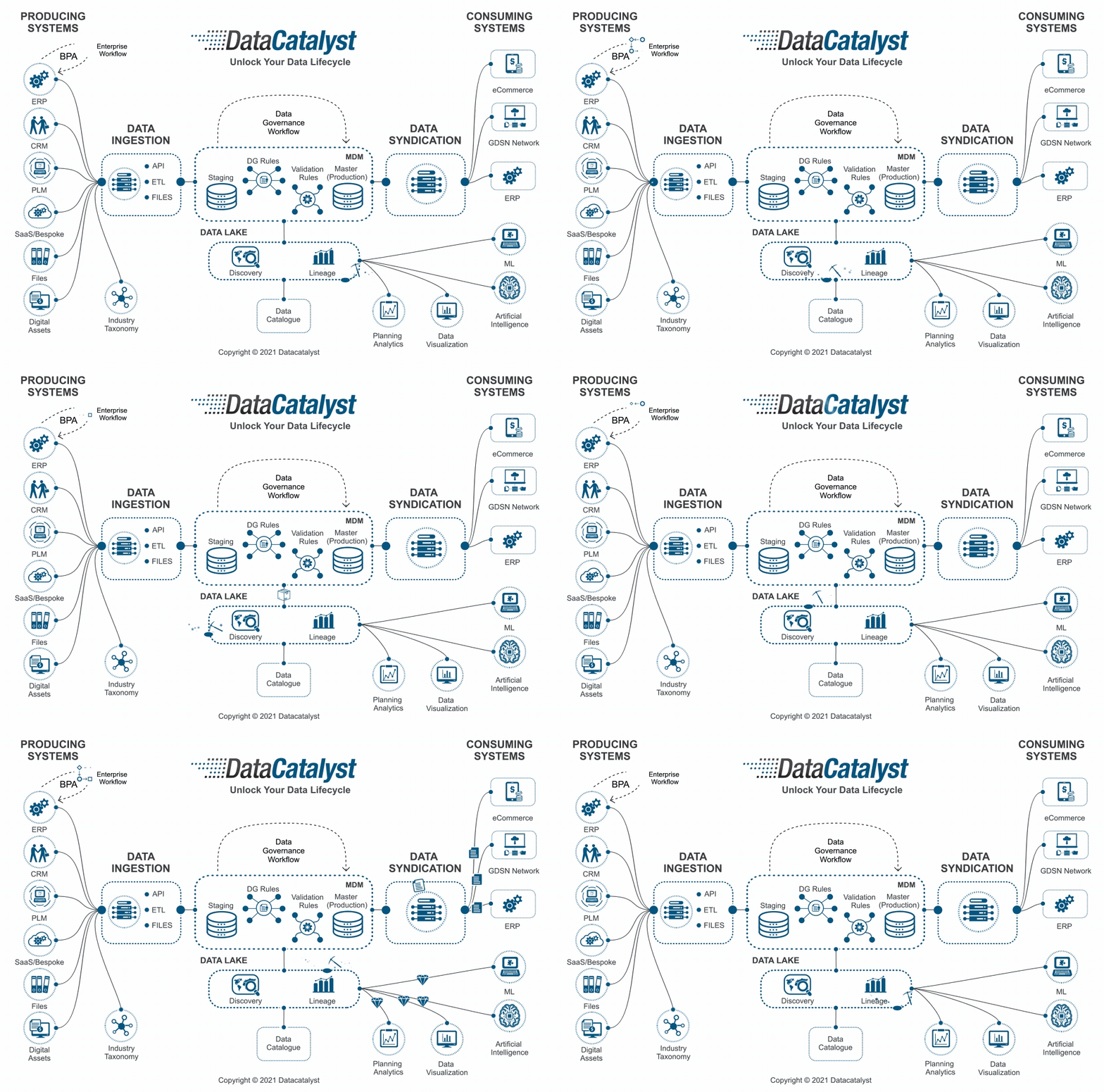
𝐃𝐚𝐭𝐚 𝐞𝐧𝐠𝐢𝐧𝐞𝐞𝐫𝐢𝐧𝐠 is all about managing and organizing the vast amount of data generated today. If you’re thinking about entering this field, there are key areas to focus on:
𝐃𝐚𝐭𝐚 𝐈𝐧𝐠𝐞𝐬𝐭𝐢𝐨𝐧: Data ingestion refers to the process of importing, transferring, loading, and processing data for immediate use or storage in a database. The data could come from numerous sources like logs, web, cloud storage, APIs, databases, or in-house applications. There are two types of ingestion: batch ingestion and real-time ingestion. Batch ingestion is when data is collected over a period and then processed. Real-time ingestion is when data is processed immediately after it is created.
𝐃𝐚𝐭𝐚 𝐆𝐨𝐯𝐞𝐫𝐧𝐚𝐧𝐜𝐞: After the data is ingested, it is important to maintain data integrity, quality, security, and privacy – this is where data governance comes into play. It involves the rules, policies, and procedures to manage and use the data effectively. Key components of data governance include data stewardship, data quality, metadata management, and data privacy and security. A proper data governance workflow will ensure the data is accurate, consistent, and secure, which in turn helps in better decision-making and regulatory compliance.
𝐃𝐚𝐭𝐚 𝐒𝐲𝐧𝐝𝐢𝐜𝐚𝐭𝐢𝐨𝐧: Data syndication is the process of sharing or distributing data from a single source to multiple destinations. This could involve distributing data to external systems, partners, or different departments within an organization. The syndicated data could be used for various purposes like analytics, reporting, or powering applications. Syndication helps in making the data more accessible and usable, increasing its overall value.
𝐂𝐨𝐧𝐬𝐮𝐦𝐢𝐧𝐠 𝐒𝐲𝐬𝐭𝐞𝐦𝐬: The final step in the data pipeline is delivering the data to consuming systems. These could be business intelligence tools, machine learning algorithms, reporting systems, or other applications that use the data to provide valuable insights, make predictions, or drive business processes. Ensuring that the data is correctly formatted, timely, and reliable is crucial at this stage, as the insights derived from the data can directly impact business decisions and outcomes.
Remember, these steps are interconnected and are part of the broader data engineering pipeline. As a data engineer, you will need to work across all these steps, making sure that the data flows smoothly from its source to the end consumers, maintaining its quality, security, and privacy along the way.
Posted By -

Saifullah Siddique
Subscribe to our newsletter for social resources
Join 70,000+ professionals and become a better social media marketer. Get social media resources and tips in your inbox weekly.
Comments